Tools
Five instruments. All coming soon.
Games are one half of the foundry. The other half is software: Terminal Teacher, Empire Engine Editor, BeliefOS, Agent Control, and UniversityMe. A trainer for the shells you already have. A native Maker on the Engine pathway. A director for language-model agents you run locally, and an IDE. A house on your PC that wakes the editors you already own from Grok Bot. A local HUD for classes and studio work.
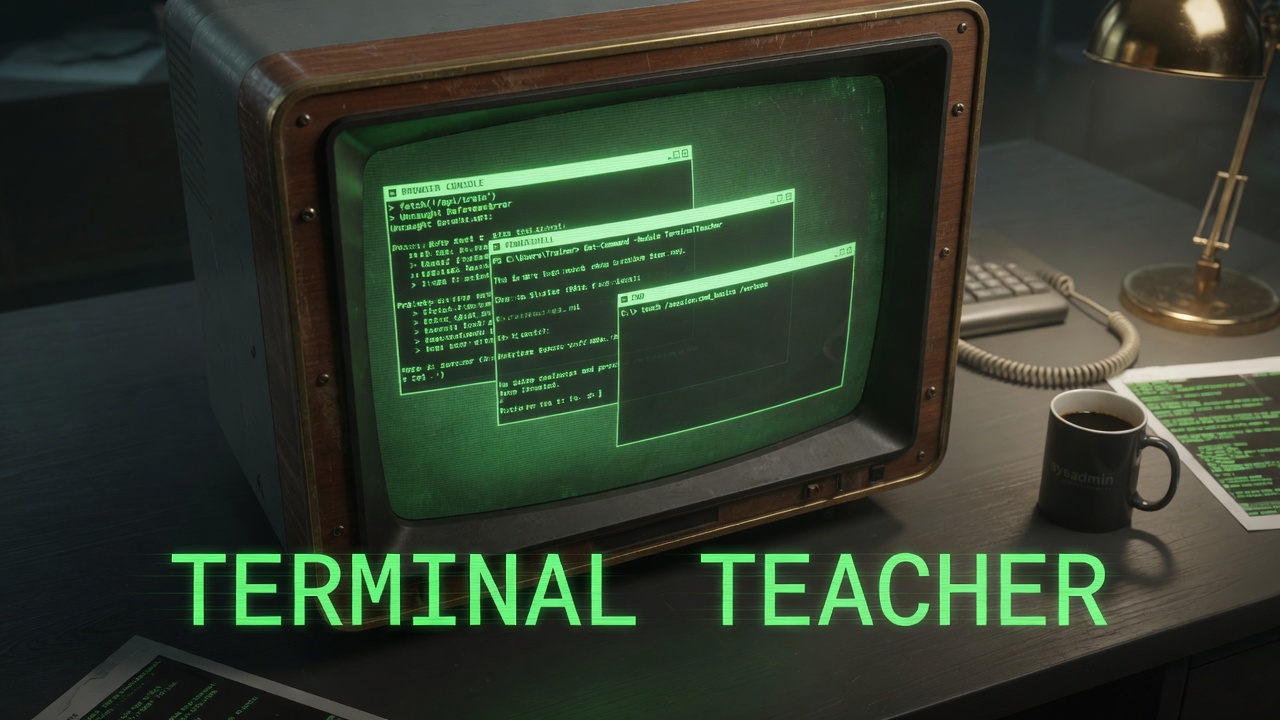
Terminal Teacher
Browser Console · PowerShell · Command Prompt
Trains Browser Console, PowerShell, and Command Prompt. Open a card, read the explain, run it in a sandbox, then go live only if you confirm.
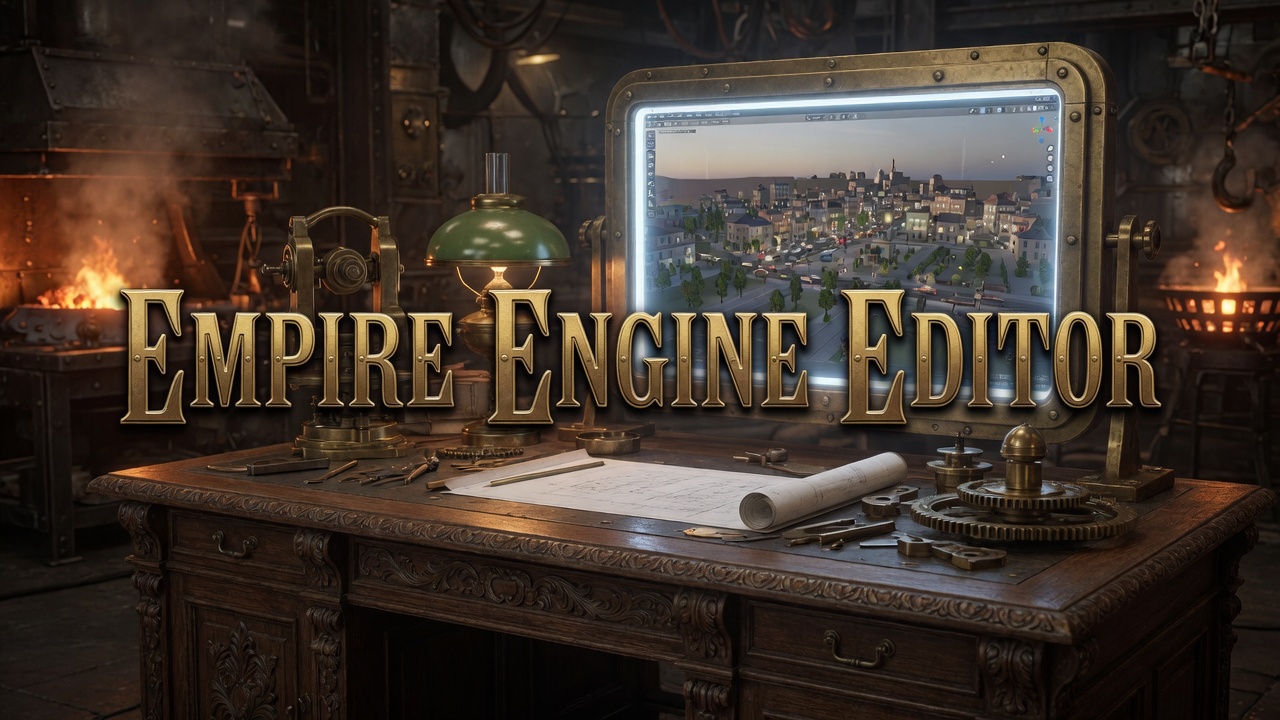
Empire Engine Editor
Native Maker on the Engine pathway
The native Maker on the Engine pathway: Editor, Animator, and Rigger. Worlds grow with layered procedural construction, then play in the same process as edit.
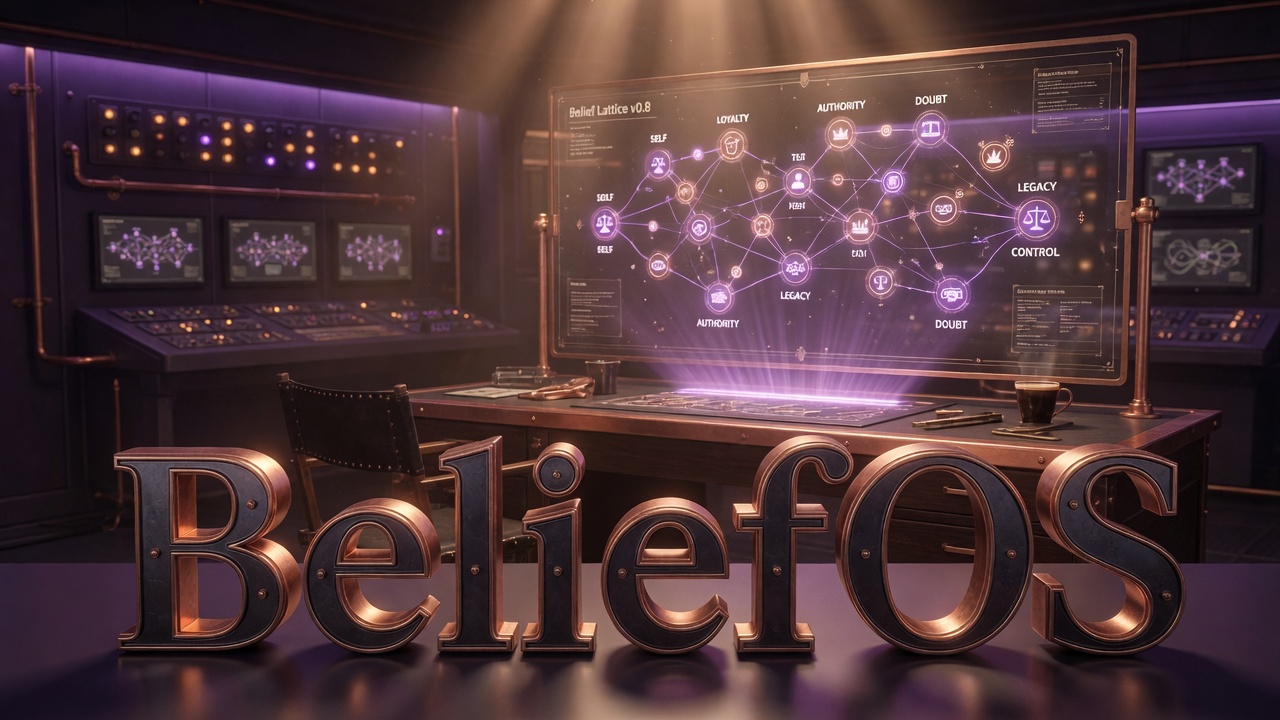
BeliefOS
Director and IDE
A director for language-model agents you run locally, and an IDE. Open a folder, connect your own login, then Ask, Lock, Review, Approve, Go.
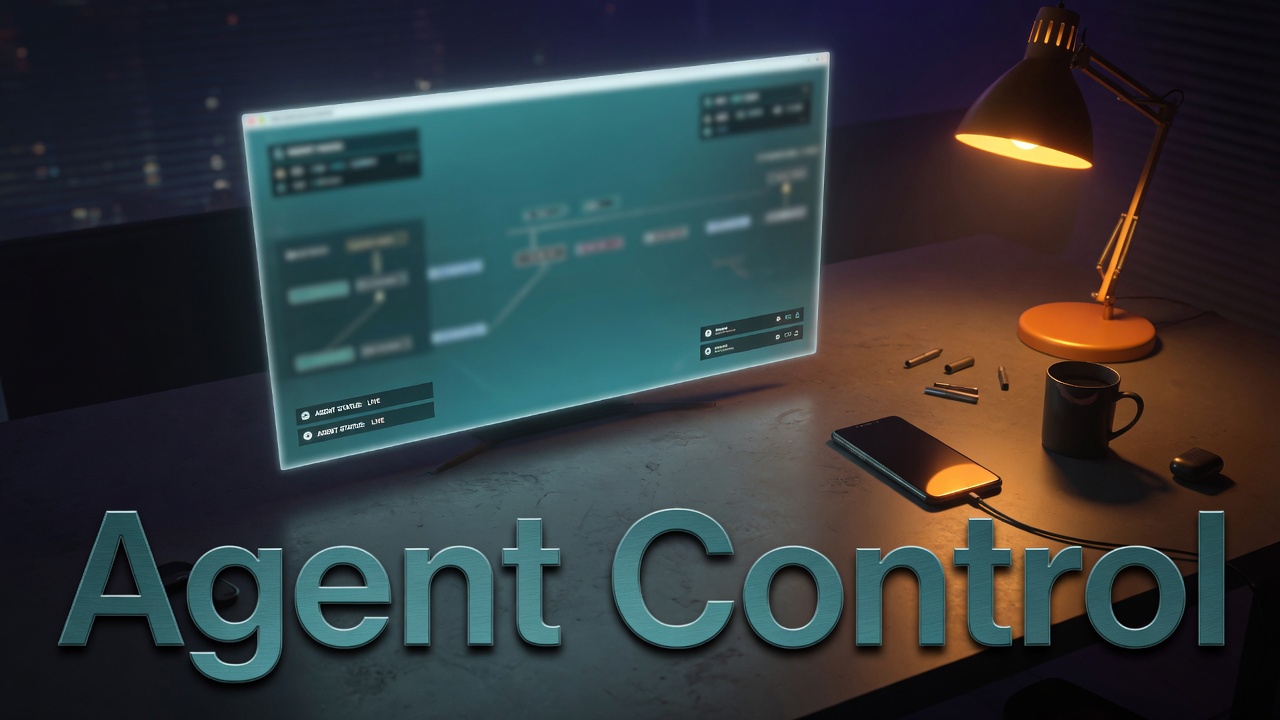
Agent Control
House on your PC
A house on your PC that wakes the editors you already own from Grok Bot. One folder, linked editors, a live terminal, and a ping when the work is done.
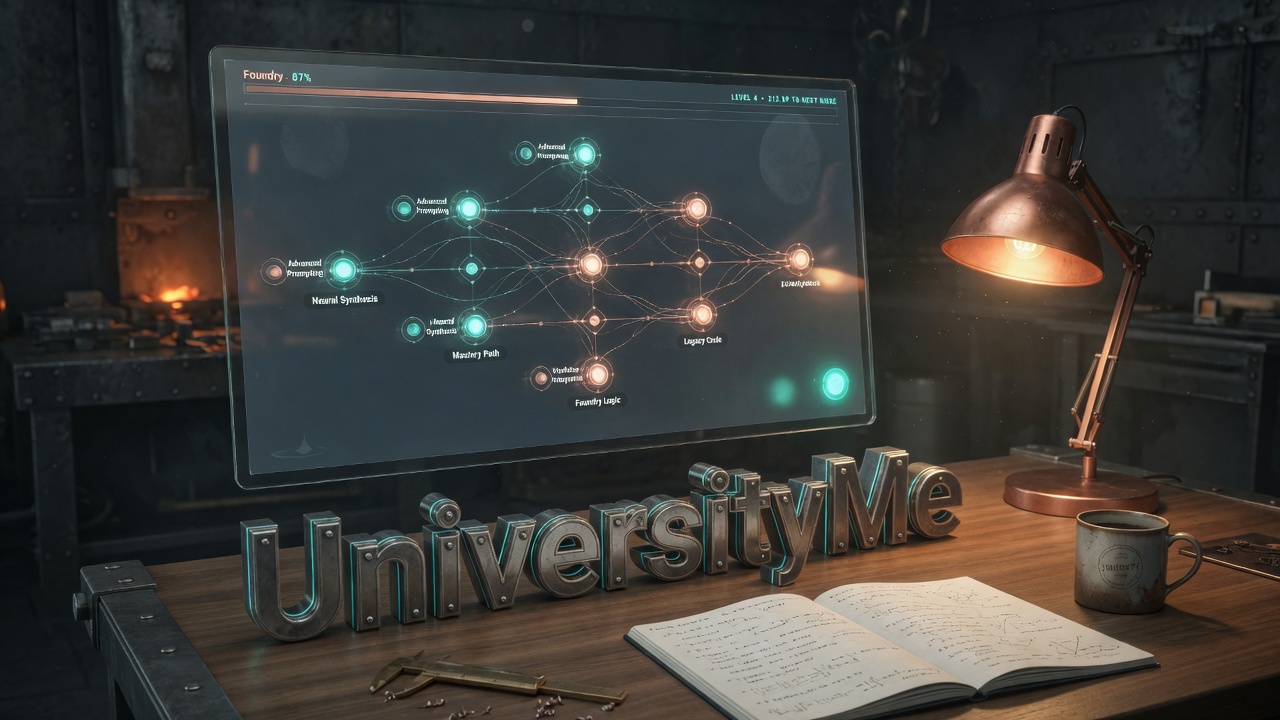
UniversityMe
Local HUD · Classes and studio work
A local HUD for classes and studio work. Courses and foundry jobs sit on one glass desk. Open a node, work it, see what comes next.